.png)


Satellite Imagery Data in Libya

Satellite Imagery Data in Libya

Techsalerator’s Satellite Imagery Data for Libya
Techsalerator’s Satellite Imagery Data for Libya delivers high-resolution geospatial intelligence sourced from leading commercial satellite providers and remote sensing technologies. This dataset provides comprehensive coverage across urban centers, desert regions, border areas, infrastructure corridors, and coastal zones throughout Libya.
Designed for governments, NGOs, researchers, and commercial enterprises, this dataset enables real-time monitoring, historical change detection, and advanced geospatial analysis to support strategic decision-making.
Top 5 Most Utilized Data Fields
- Geographic Coordinates (Latitude & Longitude): Precise geolocation data for accurate mapping and spatial analysis across Libya.
- Image Resolution: Spatial resolution details (e.g., sub-meter to medium resolution) for infrastructure, land, and environmental monitoring.
- Capture Date & Time: Timestamp of satellite acquisition to support time-series and change detection analysis.
- Spectral Bands: Multispectral and panchromatic bands (e.g., RGB, Near-Infrared) enabling vegetation, water, and terrain analysis.
- Cloud Coverage Percentage: Measures image clarity and usability for analytical purposes.
Top 5 Use Cases for Satellite Imagery Data in Libya
- Infrastructure Monitoring: Track urban development, road networks, ports, and energy infrastructure.
- Agricultural & Desert Land Analysis: Monitor crop health, irrigation, desertification, and seasonal land changes.
- Humanitarian & Disaster Response: Support planning for floods, sandstorms, and other environmental events.
- Border & Security Monitoring: Observe activity along borders, remote regions, and migration routes.
- Urban Planning & Land Use Management: Analyze urban growth, informal settlements, and land use changes for strategic planning.
Top 5 Locations with Notable Satellite Monitoring Activity in Libya
- Tripoli: Dense urban development, port infrastructure, and coastal monitoring.
- Benghazi: Industrial zones, transportation networks, and urban expansion.
- Misrata: Port activity, industrial growth, and regional infrastructure.
- Sabha: Desert land management, agricultural monitoring, and water resources.
- Tobruk: Coastal monitoring, border security, and urban development tracking.
Accessing Techsalerator’s Satellite Imagery Data for Libya
To obtain Techsalerator’s Satellite Imagery Data for Libya, contact [email protected] with your specific requirements.
- Customized pricing based on resolution, geographic scope, and historical depth
- On-demand and subscription-based access options available
- Delivery within 24 hours depending on specifications
- Ongoing monitoring solutions for long-term projects
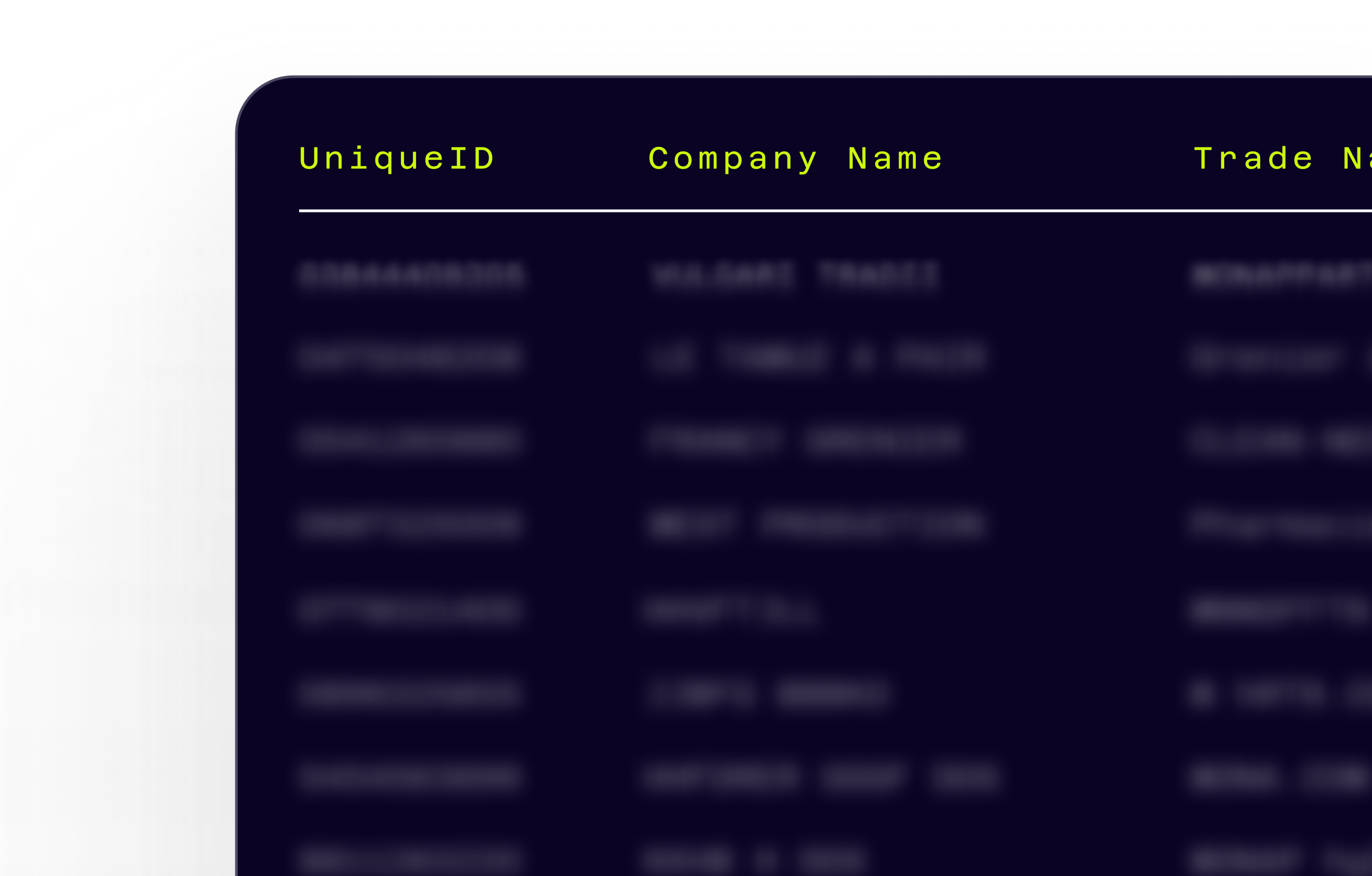
Included Data Fields
- Geographic Coordinates (Lat/Long)
- Image Resolution
- Capture Date & Time
- Spectral Band Information
- Cloud Coverage Percentage
- Terrain Elevation (DEM compatibility)
- Land Use Classification
- Vegetation Index (e.g., NDVI)
- Change Detection Indicators
- Metadata (Satellite Name, Sensor Type)
Techsalerator’s Satellite Imagery Data for Libya provides actionable geospatial intelligence to support operational planning, risk management, humanitarian efforts, and strategic investment decisions. Make informed, data-driven decisions with reliable, high-quality satellite insights.
Satellite Imagery Data for Libya
Q: How much does the Satellite Imagery Data for Libya cost?
The cost of Satellite Imagery Data for Libya varies depending on factors such as spatial resolution (e.g., sub-meter, 1m, 10m), geographic coverage, historical depth, and update frequency. Pricing may also depend on whether you need raw imagery, orthorectified images, or analytics-ready products. For an accurate, tailored quote, contact a Techsalerator Data specialist.
Q: How complete is the coverage of the Satellite Imagery Data in Libya?
Techsalerator’s Satellite Imagery Data provides comprehensive coverage across Libya, including urban centers such as Tripoli, Benghazi, and Misrata, rural and desert regions, border areas, transportation corridors, and oil or infrastructure sites. Both current imagery and historical archives are available to support monitoring, analysis, and change detection.
Q: How does Techsalerator collect this data?
Techsalerator acquires satellite imagery from trusted commercial satellite operators and remote sensing providers. The dataset combines high-resolution optical imagery and radar-based data where needed, ensuring reliable coverage under various conditions. All imagery is processed and validated to meet geospatial accuracy standards.
Q: Can I select specific regions, cities, or time periods within Libya?
Yes, Techsalerator allows you to customize your dataset. You can request imagery for specific provinces, cities, industrial zones, oil fields, or border areas, as well as define time ranges for historical analysis or receive frequent updates for near real-time monitoring.
Q: How do I pay for this dataset?
Payment for Satellite Imagery Data can be made via secure methods such as credit cards, direct bank transfers, ACH (Automated Clearing House), or wire transfers. Flexible payment structures can be arranged depending on project scope or subscription needs.
Q: How do I receive the data?
Data delivery options include FTP, SFTP, S3 bucket, API access, or secure cloud transfer. Imagery is provided in formats such as GeoTIFF, JPEG2000, PNG, or other GIS-compatible formats suitable for integration into your workflows.