.png)


Satellite Imagery Data in Iran

Satellite Imagery Data in Iran

Techsalerator’s Satellite Imagery Data for Iran
Techsalerator’s Satellite Imagery Data for Iran provides high-resolution geospatial intelligence acquired from commercial satellites, government remote sensing platforms, and advanced imaging sensors. This dataset supports strategic analysis and monitoring of natural resources, infrastructure, land use, environmental conditions, and security-relevant changes across Iran.
Satellite imagery enables both visual interpretation and quantitative geospatial analysis to inform decision-making across sectors.
Top 5 Most Utilized Data Fields
- Geographic Coordinates (Latitude & Longitude): Precise location tags for every image capture to support accurate mapping and spatial analysis.
- Image Resolution: Spatial resolution metrics (e.g., sub-meter to meter class), crucial for identifying fine details such as infrastructure or crop patterns.
- Capture Date & Time: Timestamp of image acquisition to enable time-series tracking and change detection over time.
- Spectral Bands: Multi- and hyperspectral band data including visible, near-infrared, and shortwave infrared, useful for vegetation, soil, water, and material identification.
- Cloud Coverage & Quality Metrics: Indicators of image clarity and usability for analytical purposes, including cloud percentage.
Top 5 Use Cases for Satellite Imagery Data in Iran
- Land Use & Environmental Monitoring: Detect land cover changes, deforestation, desertification, and monitor water resources and soil conditions.
- Agricultural & Crop Assessment: Support tracking of crop health, irrigation efficiency, drought impact, and sustainable agriculture planning.
- Urban & Infrastructure Planning: Assess urban expansion, transportation corridors, utility networks, and construction progress.
- Disaster & Risk Management: Map and analyze flood zones, landslide risk areas, surface deformation, and other hazard-prone regions.
- Security & Strategic Monitoring: Track changes at military, nuclear, and logistical facilities, and monitor reconstruction or fortification activities.
Top 5 Locations with Notable Satellite Monitoring Activity in Iran
- Tehran: Metropolitan growth patterns, transport infrastructure expansion, and urban land use analysis.
- Isfahan: Industrial activity, cultural heritage site monitoring, and water resource analysis.
- Mashhad: Regional infrastructure networks and agricultural land assessment.
- Shiraz: Environmental analysis, watershed mapping, and hazard monitoring.
- Tabriz: Urban expansion, transportation corridors, and risk analysis in earthquake-prone areas.
Accessing Techsalerator’s Satellite Imagery Data for Iran
To obtain Techsalerator’s Satellite Imagery Data for Iran:
- Contact [email protected] with your project scope and data requirements
- Receive a customized quote based on resolution, geographic coverage, and temporal history
- Choose on-demand delivery or ongoing monitoring subscription options
- Data can be delivered within 24 hours for urgent requirements
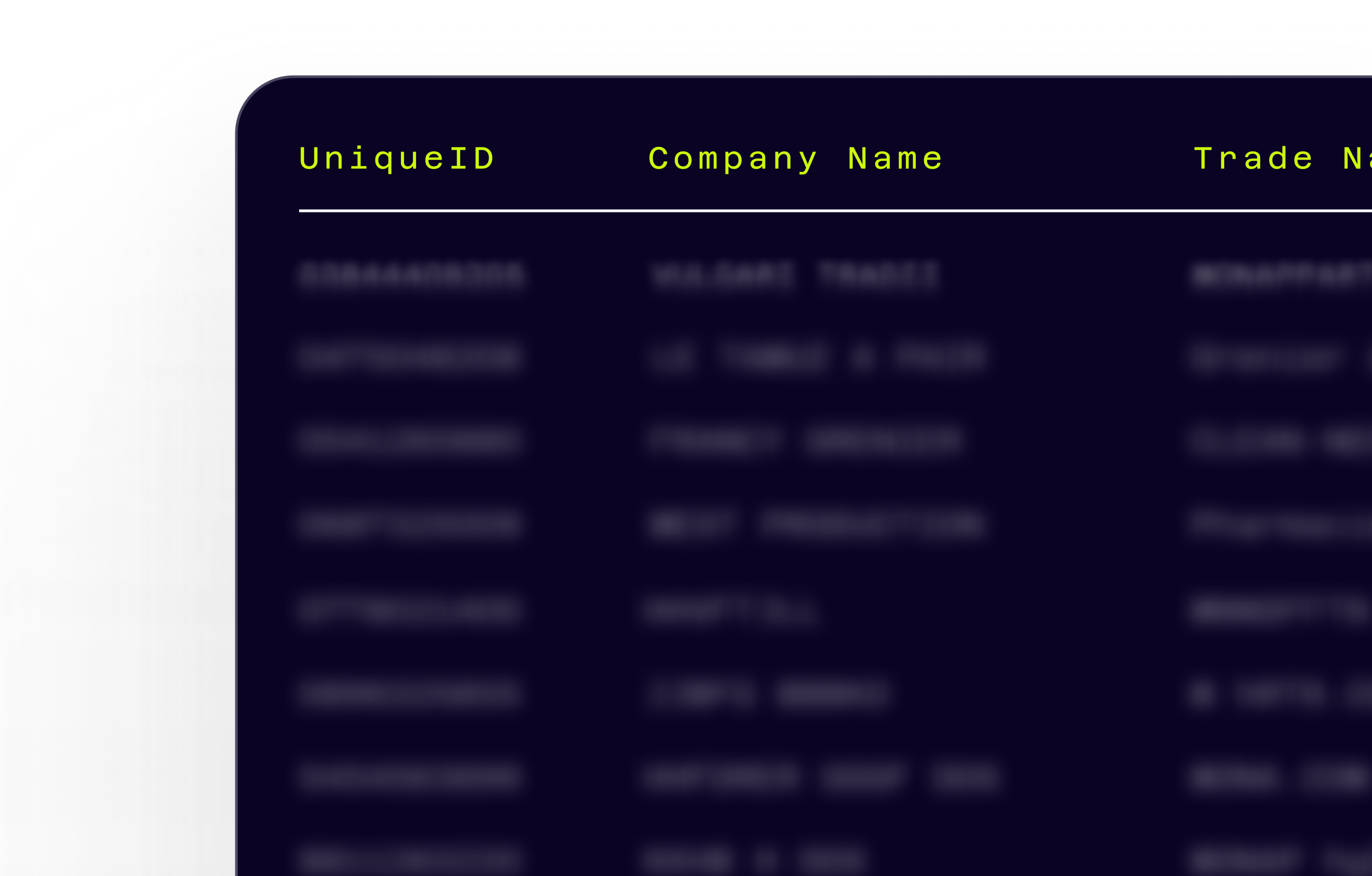
Included Data Fields
- Geographic Coordinates (Lat/Long)
- Image Resolution (e.g., sub-meter, meter class)
- Capture Date & Time
- Spectral Band Composition (RGB, NIR, SWIR, etc.)
- Cloud Coverage & Quality Metrics
- Land Use/Land Cover Classification
- Normalized Indices (e.g., NDVI for vegetation)
- Change Detection Flags (multi-temporal analysis)
- Sensor & Satellite Metadata (platform, orbit, acquisition mode)
- Annotated Layers (roads, buildings, water bodies)
Techsalerator’s Satellite Imagery Data for Iran is a comprehensive geospatial resource that helps governments, researchers, NGOs, and commercial entities make informed, data-driven decisions using high-quality satellite intelligence.
Satellite Imagery Data for Iran
Q: How much does the Satellite Imagery Data for Iran cost?
The cost of Satellite Imagery Data for Iran varies widely depending on resolution (e.g., high-resolution <1 m vs. medium-resolution 5–30 m), geographic coverage, whether you need archived imagery or new tasking, and delivery format. Prices are typically negotiated based on your specific project scope and the providers you choose (e.g., commercial providers like Maxar, Planet, or others). For precise pricing, contact a Techsalerator Data specialist to get a customized quote tailored to your needs.
Q: How complete is the coverage of the Satellite Imagery Data in Iran?
Techsalerator’s Satellite Imagery Data for Iran offers comprehensive national coverage, including major urban centers like Tehran, Mashhad, and Isfahan, as well as rural and strategic regions across the country. Coverage can include both high‑resolution and medium‑resolution imagery as well as historical archives spanning multiple years, enabling change detection and time‑series analysis.
Q: How does Techsalerator collect this data?
Satellite imagery is sourced from leading commercial and public earth observation providers. These include high‑resolution optical satellites (e.g., WorldView series, QuickBird, Pléiades) and medium‑resolution platforms like Landsat and Sentinel series, which together provide detailed imagery and broad area coverage. The raw satellite data are processed for geospatial accuracy and prepared in GIS‑ready formats.
Q: Can I select specific provinces, cities, or time periods within Iran?
Yes. You can request customized satellite imagery products focused on specific provinces, cities, infrastructure, or areas of interest within Iran. You can also specify date ranges — whether you need the most recent imagery or historical data for trend analysis. Filters for resolution, spectral bands, and revisit frequency are also available based on your project needs.
Q: How do I pay for this dataset?
Techsalerator supports multiple secure payment options, including credit card payments, direct bank transfers, ACH (Automated Clearing House), and wire transfers. Payment terms can be structured around one‑time purchases or subscription plans depending on the volume and frequency of imagery you require.
Q: How do I receive the data?
Satellite Imagery Data for Iran can be delivered via secure digital channels such as FTP, SFTP, AWS S3 buckets, APIs, or secure cloud links. Common file formats include GeoTIFF, JPEG2000, and other GIS‑compatible formats, enabling easy integration into geospatial analysis and mapping workflows.