Crypto Data

in

South Korea

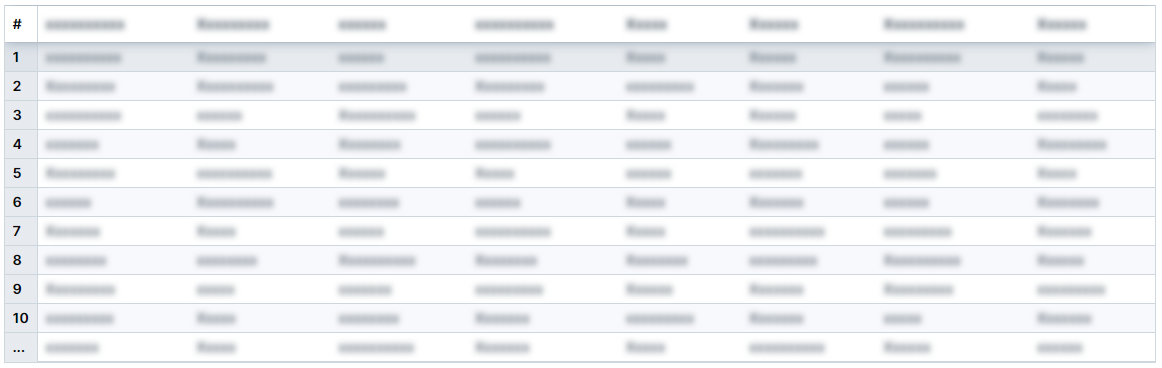
Data Samples

Description

Techsalerator’s Crypto Data for South Korea

Techsalerator’s Crypto Data for South Korea aggregates comprehensive insights from cryptocurrency exchanges, wallets, and blockchain networks to provide a detailed view of the country’s digital asset ecosystem. This dataset captures transaction activity, wallet behavior, exchange usage, and token performance signals across South Korea, helping organizations analyze adoption trends, trading behavior, and digital asset market dynamics.

Top 5 Most Utilized Data Fields

  • Transaction Volume & Frequency: Tracks the number and value of crypto transactions to assess market activity and liquidity.
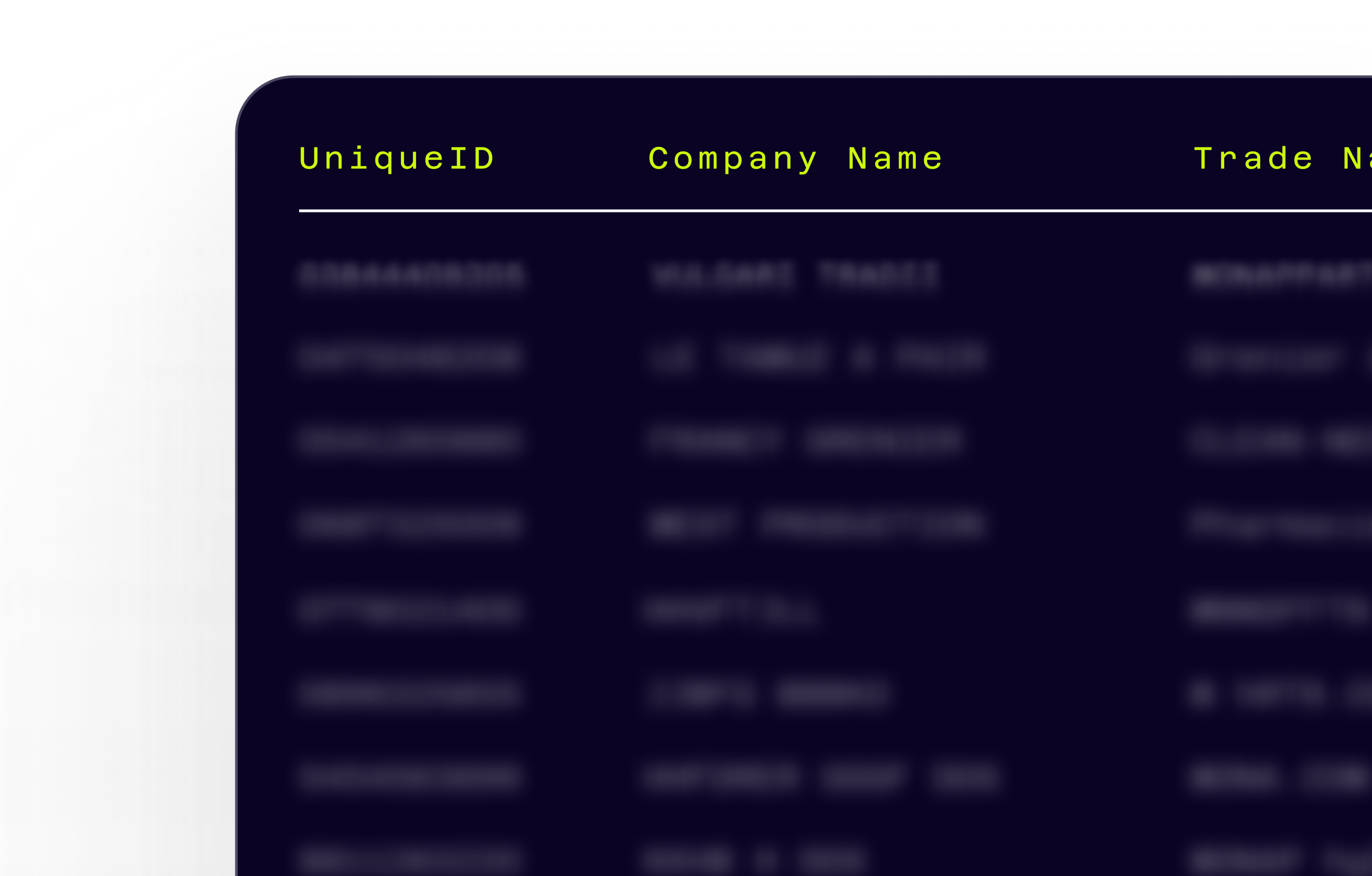
  • Wallet Address Information: Provides anonymized wallet identifiers, balances, and holding patterns for behavioral analysis.
  • Exchange & Trading Pair Data: Organizes activity by exchange platform, token pairs, and order types for market research.
  • Token Price & Market Cap History: Records historical price movements and market capitalization to identify trends and volatility.
  • User Demographics & Adoption Metrics: Offers insights into investor segments, age groups, and regional distribution to understand adoption patterns.

Top 5 Use Cases for Crypto Data in South Korea

  • Market Trend Analysis: Identify trading patterns, popular tokens, and emerging trends to refine investment strategy.
  • Exchange & Platform Benchmarking: Compare trading volumes, fees, and liquidity across exchanges operating in South Korea.
  • Regulatory & Compliance Monitoring: Support risk assessment and compliance reporting using transaction and wallet activity data.
  • Investor & Consumer Insights: Understand investor behavior, adoption rates, and preferences in South Korea’s crypto market.
  • Fraud & Risk Detection: Monitor suspicious transaction patterns and wallet activity to support security and risk management.

Top 5 Locations with Notable Crypto Data Trends in South Korea

  • Seoul: High concentration of crypto trading activity, exchange usage, and digital asset investment.
  • Busan: Growing adoption of crypto wallets and peer-to-peer trading among local users.
  • Incheon: Emerging hub for blockchain startups and crypto-related business activity.
  • Daegu: Increasing interest in crypto remittances and cross-border payments.
  • Daejeon: Notable community engagement with crypto education and adoption initiatives.

Accessing Techsalerator’s Crypto Data

To obtain Techsalerator’s Crypto Data for South Korea, contact info@techsalerator.com with your specific requirements. A customized quote will be provided based on the data fields, volume, and frequency needed. Datasets are typically available within 24 hours, with ongoing access options for continuous data needs.

Included Data Fields

  • Transaction Volume & Frequency
  • Wallet Address Information
  • Exchange & Trading Pair Data
  • Token Price & Market Cap History
  • User Demographics & Adoption Metrics
  • Transaction Timestamp & Network Data
  • Regulatory & Compliance Flags

Techsalerator’s dataset is an essential resource for exchanges, fintech firms, analysts, and policymakers seeking to understand and leverage cryptocurrency adoption and trading trends across South Korea. It enables informed, data-driven decisions in the country’s evolving digital asset landscape.

Crypto Data for South Korea

Q: How much does the Crypto Data Dataset for South Korea cost?
The cost of the Crypto Data Dataset for South Korea depends on factors such as the number of data fields, depth of transaction and wallet data, update frequency, and total record volume. For an accurate pricing estimate, it’s best to contact a Techsalerator data specialist who can provide a tailored quote based on your needs.

Q: How complete is the coverage of the Crypto Data in South Korea?
Techsalerator’s Crypto Data for South Korea provides comprehensive coverage across exchanges, wallets, token types, and transaction activity. The dataset captures insights from a wide range of crypto market participants, offering a clear picture of adoption trends and digital asset usage throughout the country.

Q: How does Techsalerator collect this data?
Techsalerator gathers Crypto Data from diverse, reliable sources, including cryptocurrency exchanges, blockchain networks, public ledgers, and wallet activity. The data is analyzed and structured to provide insights into transaction volume, token performance, wallet behavior, and adoption patterns in South Korea.

Q: Can I select specific tokens, exchanges, or user segments within South Korea using Techsalerator's Crypto Data?
Yes, Techsalerator allows you to filter and customize datasets by token type (e.g., Bitcoin, Ethereum, stablecoins), exchange platform, transaction size, or specific user segments. You can work with a Techsalerator representative to refine the dataset according to your objectives.

Q: How do I pay for this dataset?
Techsalerator supports multiple secure payment methods, including credit card, direct bank transfer, ACH (Automated Clearing House), and wire transfer. Clients can choose the method that works best for them.

Q: How do I receive the data?
The Crypto Data is delivered through secure channels such as FTP, SFTP, S3 bucket, or email. Data formats include JSON, CSV, TXT, or XLS, allowing easy integration into your workflows and systems.

Pricing

Commercial Models

Availability

One-off purchase
Available
Data subscription (Monthly Updates)  
Available
Data subscription (Quarterly Updates)  
Available
Data subscription (Annual Updates)  
Available

Suitable Company Sizes

checkmark
Small Business
checkmark
Medium-sizedBusiness
checkmark
Enterprise

Quality

99%
Data Coverage
95%
Accuracy

Delivery

 Methods
v
SFTP
checkmark
Email
checkmark
FeedAPI
checkmark
S3 Bucket
 Format
checkmark
.json
checkmark
.csv
checkmark
.xls
checkmark
.txt
Pricing available upon request

Most popular fields

Crypto Data in South Korea

Crypto Data in South Korea

Description

Techsalerator’s Crypto Data for South Korea

Techsalerator’s Crypto Data for South Korea aggregates comprehensive insights from cryptocurrency exchanges, wallets, and blockchain networks to provide a detailed view of the country’s digital asset ecosystem. This dataset captures transaction activity, wallet behavior, exchange usage, and token performance signals across South Korea, helping organizations analyze adoption trends, trading behavior, and digital asset market dynamics.

Top 5 Most Utilized Data Fields

  • Transaction Volume & Frequency: Tracks the number and value of crypto transactions to assess market activity and liquidity.
  • Wallet Address Information: Provides anonymized wallet identifiers, balances, and holding patterns for behavioral analysis.
  • Exchange & Trading Pair Data: Organizes activity by exchange platform, token pairs, and order types for market research.
  • Token Price & Market Cap History: Records historical price movements and market capitalization to identify trends and volatility.
  • User Demographics & Adoption Metrics: Offers insights into investor segments, age groups, and regional distribution to understand adoption patterns.

Top 5 Use Cases for Crypto Data in South Korea

  • Market Trend Analysis: Identify trading patterns, popular tokens, and emerging trends to refine investment strategy.
  • Exchange & Platform Benchmarking: Compare trading volumes, fees, and liquidity across exchanges operating in South Korea.
  • Regulatory & Compliance Monitoring: Support risk assessment and compliance reporting using transaction and wallet activity data.
  • Investor & Consumer Insights: Understand investor behavior, adoption rates, and preferences in South Korea’s crypto market.
  • Fraud & Risk Detection: Monitor suspicious transaction patterns and wallet activity to support security and risk management.

Top 5 Locations with Notable Crypto Data Trends in South Korea

  • Seoul: High concentration of crypto trading activity, exchange usage, and digital asset investment.
  • Busan: Growing adoption of crypto wallets and peer-to-peer trading among local users.
  • Incheon: Emerging hub for blockchain startups and crypto-related business activity.
  • Daegu: Increasing interest in crypto remittances and cross-border payments.
  • Daejeon: Notable community engagement with crypto education and adoption initiatives.

Accessing Techsalerator’s Crypto Data

To obtain Techsalerator’s Crypto Data for South Korea, contact info@techsalerator.com with your specific requirements. A customized quote will be provided based on the data fields, volume, and frequency needed. Datasets are typically available within 24 hours, with ongoing access options for continuous data needs.

Included Data Fields

  • Transaction Volume & Frequency
  • Wallet Address Information
  • Exchange & Trading Pair Data
  • Token Price & Market Cap History
  • User Demographics & Adoption Metrics
  • Transaction Timestamp & Network Data
  • Regulatory & Compliance Flags

Techsalerator’s dataset is an essential resource for exchanges, fintech firms, analysts, and policymakers seeking to understand and leverage cryptocurrency adoption and trading trends across South Korea. It enables informed, data-driven decisions in the country’s evolving digital asset landscape.

Crypto Data for South Korea

Q: How much does the Crypto Data Dataset for South Korea cost?
The cost of the Crypto Data Dataset for South Korea depends on factors such as the number of data fields, depth of transaction and wallet data, update frequency, and total record volume. For an accurate pricing estimate, it’s best to contact a Techsalerator data specialist who can provide a tailored quote based on your needs.

Q: How complete is the coverage of the Crypto Data in South Korea?
Techsalerator’s Crypto Data for South Korea provides comprehensive coverage across exchanges, wallets, token types, and transaction activity. The dataset captures insights from a wide range of crypto market participants, offering a clear picture of adoption trends and digital asset usage throughout the country.

Q: How does Techsalerator collect this data?
Techsalerator gathers Crypto Data from diverse, reliable sources, including cryptocurrency exchanges, blockchain networks, public ledgers, and wallet activity. The data is analyzed and structured to provide insights into transaction volume, token performance, wallet behavior, and adoption patterns in South Korea.

Q: Can I select specific tokens, exchanges, or user segments within South Korea using Techsalerator's Crypto Data?
Yes, Techsalerator allows you to filter and customize datasets by token type (e.g., Bitcoin, Ethereum, stablecoins), exchange platform, transaction size, or specific user segments. You can work with a Techsalerator representative to refine the dataset according to your objectives.

Q: How do I pay for this dataset?
Techsalerator supports multiple secure payment methods, including credit card, direct bank transfer, ACH (Automated Clearing House), and wire transfer. Clients can choose the method that works best for them.

Q: How do I receive the data?
The Crypto Data is delivered through secure channels such as FTP, SFTP, S3 bucket, or email. Data formats include JSON, CSV, TXT, or XLS, allowing easy integration into your workflows and systems.

Pricing

Commercial Models

Availability

One-off purchase
Available
Data subscription (Monthly Updates)
Available
Data subscription (Quarterly Updates)
Available
Data subscription (Annual Updates)  
Available
Suitable Company Sizes
checkmark
Small Business
checkmark
Medium-sizedBusiness
checkmark
Enterprise
Quality
99%
Data Coverage
95%
Accuracy
Delivery
Methods
checkmark
SFTP
checkmark
Email
checkmark
FeedAPI
checkmark
S3 Bucket
Format
checkmark
.json
checkmark
.csv
checkmark
.xls
checkmark
.txt
Pricing available upon request
Most popular fields
What types of data does Techsalerator provide?
Our datasets cover 195 countries — every major global market — with data sourced locally to maintain accuracy, freshness, and relevance. Coverage varies by category and dataset; specific country coverage is documented on every dataset detail page.
What are the four data pillars?
Our datasets cover 195 countries — every major global market — with data sourced locally to maintain accuracy, freshness, and relevance. Coverage varies by category and dataset; specific country coverage is documented on every dataset detail page.
In which countries is Techsalerator's data available?
Our datasets cover 195 countries — every major global market — with data sourced locally to maintain accuracy, freshness, and relevance. Coverage varies by category and dataset; specific country coverage is documented on every dataset detail page.
How does Techsalerator ensure data quality?
Our datasets cover 195 countries — every major global market — with data sourced locally to maintain accuracy, freshness, and relevance. Coverage varies by category and dataset; specific country coverage is documented on every dataset detail page.
How frequently is the data updated?
Our datasets cover 195 countries — every major global market — with data sourced locally to maintain accuracy, freshness, and relevance. Coverage varies by category and dataset; specific country coverage is documented on every dataset detail page.
What types of data does Techsalerator provide?
Our datasets cover 195 countries — every major global market — with data sourced locally to maintain accuracy, freshness, and relevance. Coverage varies by category and dataset; specific country coverage is documented on every dataset detail page.
What are the four data pillars?
Our datasets cover 195 countries — every major global market — with data sourced locally to maintain accuracy, freshness, and relevance. Coverage varies by category and dataset; specific country coverage is documented on every dataset detail page.
In which countries is Techsalerator's data available?
Our datasets cover 195 countries — every major global market — with data sourced locally to maintain accuracy, freshness, and relevance. Coverage varies by category and dataset; specific country coverage is documented on every dataset detail page.
How does Techsalerator ensure data quality?
Our datasets cover 195 countries — every major global market — with data sourced locally to maintain accuracy, freshness, and relevance. Coverage varies by category and dataset; specific country coverage is documented on every dataset detail page.
How frequently is the data updated?
Our datasets cover 195 countries — every major global market — with data sourced locally to maintain accuracy, freshness, and relevance. Coverage varies by category and dataset; specific country coverage is documented on every dataset detail page.
What types of data does Techsalerator provide?
Our datasets cover 195 countries — every major global market — with data sourced locally to maintain accuracy, freshness, and relevance. Coverage varies by category and dataset; specific country coverage is documented on every dataset detail page.
What are the four data pillars?
Our datasets cover 195 countries — every major global market — with data sourced locally to maintain accuracy, freshness, and relevance. Coverage varies by category and dataset; specific country coverage is documented on every dataset detail page.
In which countries is Techsalerator's data available?
Our datasets cover 195 countries — every major global market — with data sourced locally to maintain accuracy, freshness, and relevance. Coverage varies by category and dataset; specific country coverage is documented on every dataset detail page.
How does Techsalerator ensure data quality?
Our datasets cover 195 countries — every major global market — with data sourced locally to maintain accuracy, freshness, and relevance. Coverage varies by category and dataset; specific country coverage is documented on every dataset detail page.
How frequently is the data updated?
Our datasets cover 195 countries — every major global market — with data sourced locally to maintain accuracy, freshness, and relevance. Coverage varies by category and dataset; specific country coverage is documented on every dataset detail page.
Commercial Models
Availability
One-off purchase
Data subscription (Monthly Updates)
Data subscription (Quarterly Updates)
Data subscription (Annual Updates)
Small Business
Medium-sizedBusiness
Enterprise
Data Coverage
85%
Accuracy
98%
Methods
SFTP
Email
FeedAPI
S3 Bucket
Format
.json
.csv
.xls
.txt