Ultimate Beneficial Owner (UBO) Data

Ultimate Beneficial Ownership (UBO) data refers to the structured identification and analysis of individuals who ultimately own, control, or benefit from a legal entity, whether through direct or indirect ownership. This data is essential in uncovering complex corporate structures, identifying hidden relationships, and tracing control across international entities. UBO data plays a critical role in a wide range of use cases, including regulatory compliance (such as AML, KYC, and CDD), financial due diligence, sanctions screening, fraud investigations, and corporate governance. By providing clarity into who is truly behind a business, UBO data empowers organizations to assess risk, meet global transparency standards, and make informed decisions where accountability and ownership matter most.

Data Samples
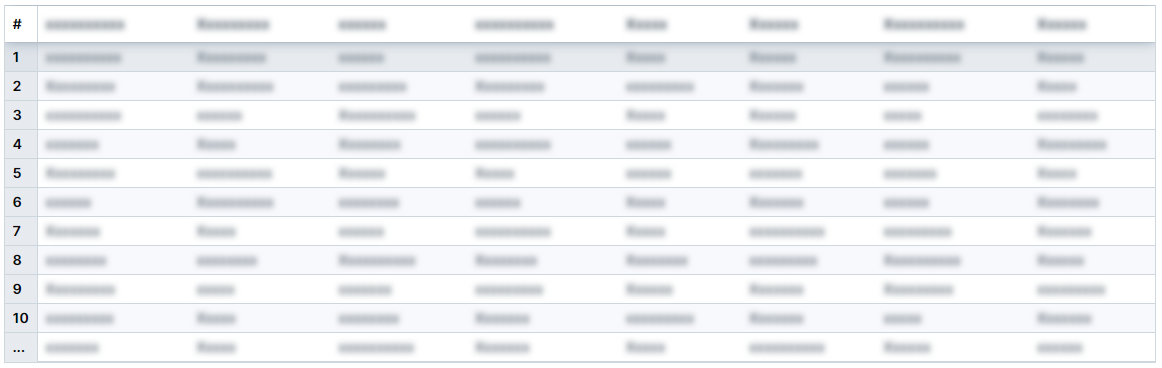
Description

UBO (Ultimate Beneficial Ownership) data encompasses the identification and mapping of individuals who ultimately own or control a company, either directly or indirectly. This data plays a crucial role in areas such as compliance, anti-money laundering (AML), financial due diligence, and corporate transparency. It enables organizations to uncover hidden ownership structures, assess risk, and meet regulatory obligations where understanding true ownership is essential.
Ultimate Beneficial Ownership (UBO) data refers to the structured identification and analysis of individuals who ultimately own, control, or benefit from a legal entity, whether through direct or indirect ownership. This data is essential in uncovering complex corporate structures, identifying hidden relationships, and tracing control across international entities. UBO data plays a critical role in a wide range of use cases, including regulatory compliance (such as AML, KYC, and CDD), financial due diligence, sanctions screening, fraud investigations, and corporate governance. By providing clarity into who is truly behind a business, UBO data empowers organizations to assess risk, meet global transparency standards, and make informed decisions where accountability and ownership matter most.

Pricing

Commercial Models

Availability

One-off purchase
Available
Data subscription (Monthly Updates)  
Available
Data subscription (Quarterly Updates)  
Available
Data subscription (Annual Updates)  
Available

Suitable Company Sizes

checkmark
Small Business
checkmark
Medium-sizedBusiness
checkmark
Enterprise

Quality

99%
Data Coverage
95%
Accuracy

Delivery

 Methods
v
SFTP
checkmark
Email
checkmark
FeedAPI
checkmark
S3 Bucket
 Format
checkmark
.json
checkmark
.csv
checkmark
.xls
checkmark
.txt
Pricing available upon request
10M+

UBO's

30+

countries

10+

UBO's per company

Ultimate Beneficial Owner (UBO) Data

Ultimate Beneficial Ownership (UBO) data refers to the structured identification and analysis of individuals who ultimately own, control, or benefit from a legal entity, whether through direct or indirect ownership. This data is essential in uncovering complex corporate structures, identifying hidden relationships, and tracing control across international entities. UBO data plays a critical role in a wide range of use cases, including regulatory compliance (such as AML, KYC, and CDD), financial due diligence, sanctions screening, fraud investigations, and corporate governance. By providing clarity into who is truly behind a business, UBO data empowers organizations to assess risk, meet global transparency standards, and make informed decisions where accountability and ownership matter most.

Data Samples

Description
UBO (Ultimate Beneficial Ownership) data encompasses the identification and mapping of individuals who ultimately own or control a company, either directly or indirectly. This data plays a crucial role in areas such as compliance, anti-money laundering (AML), financial due diligence, and corporate transparency. It enables organizations to uncover hidden ownership structures, assess risk, and meet regulatory obligations where understanding true ownership is essential.
Ultimate Beneficial Ownership (UBO) data refers to the structured identification and analysis of individuals who ultimately own, control, or benefit from a legal entity, whether through direct or indirect ownership. This data is essential in uncovering complex corporate structures, identifying hidden relationships, and tracing control across international entities. UBO data plays a critical role in a wide range of use cases, including regulatory compliance (such as AML, KYC, and CDD), financial due diligence, sanctions screening, fraud investigations, and corporate governance. By providing clarity into who is truly behind a business, UBO data empowers organizations to assess risk, meet global transparency standards, and make informed decisions where accountability and ownership matter most.
Pricing available upon request
Get Custom Quote
What types of data does Techsalerator provide?
Our datasets cover 195 countries — every major global market — with data sourced locally to maintain accuracy, freshness, and relevance. Coverage varies by category and dataset; specific country coverage is documented on every dataset detail page.
What are the four data pillars?
Our datasets cover 195 countries — every major global market — with data sourced locally to maintain accuracy, freshness, and relevance. Coverage varies by category and dataset; specific country coverage is documented on every dataset detail page.
In which countries is Techsalerator's data available?
Our datasets cover 195 countries — every major global market — with data sourced locally to maintain accuracy, freshness, and relevance. Coverage varies by category and dataset; specific country coverage is documented on every dataset detail page.
How does Techsalerator ensure data quality?
Our datasets cover 195 countries — every major global market — with data sourced locally to maintain accuracy, freshness, and relevance. Coverage varies by category and dataset; specific country coverage is documented on every dataset detail page.
How frequently is the data updated?
Our datasets cover 195 countries — every major global market — with data sourced locally to maintain accuracy, freshness, and relevance. Coverage varies by category and dataset; specific country coverage is documented on every dataset detail page.
What types of data does Techsalerator provide?
Our datasets cover 195 countries — every major global market — with data sourced locally to maintain accuracy, freshness, and relevance. Coverage varies by category and dataset; specific country coverage is documented on every dataset detail page.
What are the four data pillars?
Our datasets cover 195 countries — every major global market — with data sourced locally to maintain accuracy, freshness, and relevance. Coverage varies by category and dataset; specific country coverage is documented on every dataset detail page.
In which countries is Techsalerator's data available?
Our datasets cover 195 countries — every major global market — with data sourced locally to maintain accuracy, freshness, and relevance. Coverage varies by category and dataset; specific country coverage is documented on every dataset detail page.
How does Techsalerator ensure data quality?
Our datasets cover 195 countries — every major global market — with data sourced locally to maintain accuracy, freshness, and relevance. Coverage varies by category and dataset; specific country coverage is documented on every dataset detail page.
How frequently is the data updated?
Our datasets cover 195 countries — every major global market — with data sourced locally to maintain accuracy, freshness, and relevance. Coverage varies by category and dataset; specific country coverage is documented on every dataset detail page.
What types of data does Techsalerator provide?
Our datasets cover 195 countries — every major global market — with data sourced locally to maintain accuracy, freshness, and relevance. Coverage varies by category and dataset; specific country coverage is documented on every dataset detail page.
What are the four data pillars?
Our datasets cover 195 countries — every major global market — with data sourced locally to maintain accuracy, freshness, and relevance. Coverage varies by category and dataset; specific country coverage is documented on every dataset detail page.
In which countries is Techsalerator's data available?
Our datasets cover 195 countries — every major global market — with data sourced locally to maintain accuracy, freshness, and relevance. Coverage varies by category and dataset; specific country coverage is documented on every dataset detail page.
How does Techsalerator ensure data quality?
Our datasets cover 195 countries — every major global market — with data sourced locally to maintain accuracy, freshness, and relevance. Coverage varies by category and dataset; specific country coverage is documented on every dataset detail page.
How frequently is the data updated?
Our datasets cover 195 countries — every major global market — with data sourced locally to maintain accuracy, freshness, and relevance. Coverage varies by category and dataset; specific country coverage is documented on every dataset detail page.
Commercial Models
Availability
One-off purchase
Data subscription (Monthly Updates)
Data subscription (Quarterly Updates)
Data subscription (Annual Updates)
Small Business
Medium-sizedBusiness
Enterprise
Data Coverage
85%
Accuracy
85%
Methods
SFTP
Email
FeedAPI
S3 Bucket
Format
.json
.csv
.xls
.txt
Related Categories

Real Estate Data

Alternative Assets
Real estate data is the data and information related to the housing market. It covers information about the real estates such as Home Value, Home sale as well as other elements about the brokers, owners and investors making the Real Estate ecosystem.
80,000

Locations

All geographic areas

100+

Signals

Product Data

Alternative Assets
Product Data means information concerning prices and quality of products. It is often used by companies to do pricing analytics or gather insights on a category of products.
200+

Countries

1M+

products

13,000

Sites