End-of-Day Prices Market Data

The Techsalerator closing prices dataset is considered the most up-to-date, standardized valuation of a security trading commences again on the next trading day. This data is used for portfolio valuation, index calculation, technical analysis and benchmarking throughout the financial industry. The End-of-Day Pricing service covers equities, equity derivative bonds, and indices listed on 170 markets worldwide.

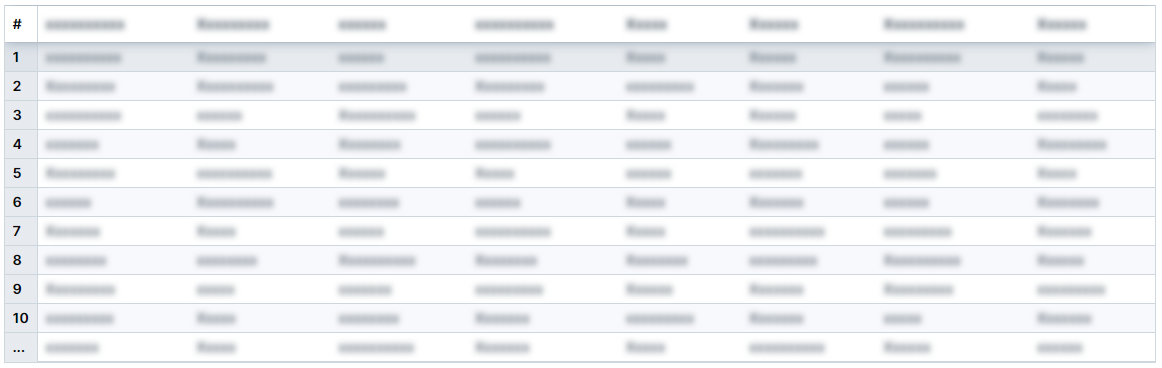
Data Samples
Description

End-of-day prices refer to the closing prices of various financial instruments, such as equities (stocks), bonds, and indices, at the end of a trading session on a particular trading day. These prices are crucial pieces of market data used by investors, traders, and financial institutions to track the performance and value of these assets over time.
The Techsalerator closing prices dataset is considered the most up-to-date, standardized valuation of a security trading commences again on the next trading day. This data is used for portfolio valuation, index calculation, technical analysis and benchmarking throughout the financial industry. The End-of-Day Pricing service covers equities, equity derivative bonds, and indices listed on 170 markets worldwide.

Pricing

Commercial Models

Availability

One-off purchase
Available
Data subscription (Monthly Updates)  
Available
Data subscription (Quarterly Updates)  
Available
Data subscription (Annual Updates)  
Available

Suitable Company Sizes

checkmark
Small Business
checkmark
Medium-sizedBusiness
checkmark
Enterprise

Quality

99%
Data Coverage
95%
Accuracy

Delivery

 Methods
v
SFTP
checkmark
Email
checkmark
FeedAPI
checkmark
S3 Bucket
 Format
checkmark
.json
checkmark
.csv
checkmark
.xls
checkmark
.txt
Pricing available upon request
1,125,419 +

Securities

60+

fields

5 year

History

End-of-Day Prices Market Data

The Techsalerator closing prices dataset is considered the most up-to-date, standardized valuation of a security trading commences again on the next trading day. This data is used for portfolio valuation, index calculation, technical analysis and benchmarking throughout the financial industry. The End-of-Day Pricing service covers equities, equity derivative bonds, and indices listed on 170 markets worldwide.

Data Samples

Description
End-of-day prices refer to the closing prices of various financial instruments, such as equities (stocks), bonds, and indices, at the end of a trading session on a particular trading day. These prices are crucial pieces of market data used by investors, traders, and financial institutions to track the performance and value of these assets over time.
The Techsalerator closing prices dataset is considered the most up-to-date, standardized valuation of a security trading commences again on the next trading day. This data is used for portfolio valuation, index calculation, technical analysis and benchmarking throughout the financial industry. The End-of-Day Pricing service covers equities, equity derivative bonds, and indices listed on 170 markets worldwide.
Pricing available upon request
Get Custom Quote
What types of data does Techsalerator provide?
Our datasets cover 195 countries — every major global market — with data sourced locally to maintain accuracy, freshness, and relevance. Coverage varies by category and dataset; specific country coverage is documented on every dataset detail page.
What are the four data pillars?
Our datasets cover 195 countries — every major global market — with data sourced locally to maintain accuracy, freshness, and relevance. Coverage varies by category and dataset; specific country coverage is documented on every dataset detail page.
In which countries is Techsalerator's data available?
Our datasets cover 195 countries — every major global market — with data sourced locally to maintain accuracy, freshness, and relevance. Coverage varies by category and dataset; specific country coverage is documented on every dataset detail page.
How does Techsalerator ensure data quality?
Our datasets cover 195 countries — every major global market — with data sourced locally to maintain accuracy, freshness, and relevance. Coverage varies by category and dataset; specific country coverage is documented on every dataset detail page.
How frequently is the data updated?
Our datasets cover 195 countries — every major global market — with data sourced locally to maintain accuracy, freshness, and relevance. Coverage varies by category and dataset; specific country coverage is documented on every dataset detail page.
What types of data does Techsalerator provide?
Our datasets cover 195 countries — every major global market — with data sourced locally to maintain accuracy, freshness, and relevance. Coverage varies by category and dataset; specific country coverage is documented on every dataset detail page.
What are the four data pillars?
Our datasets cover 195 countries — every major global market — with data sourced locally to maintain accuracy, freshness, and relevance. Coverage varies by category and dataset; specific country coverage is documented on every dataset detail page.
In which countries is Techsalerator's data available?
Our datasets cover 195 countries — every major global market — with data sourced locally to maintain accuracy, freshness, and relevance. Coverage varies by category and dataset; specific country coverage is documented on every dataset detail page.
How does Techsalerator ensure data quality?
Our datasets cover 195 countries — every major global market — with data sourced locally to maintain accuracy, freshness, and relevance. Coverage varies by category and dataset; specific country coverage is documented on every dataset detail page.
How frequently is the data updated?
Our datasets cover 195 countries — every major global market — with data sourced locally to maintain accuracy, freshness, and relevance. Coverage varies by category and dataset; specific country coverage is documented on every dataset detail page.
What types of data does Techsalerator provide?
Our datasets cover 195 countries — every major global market — with data sourced locally to maintain accuracy, freshness, and relevance. Coverage varies by category and dataset; specific country coverage is documented on every dataset detail page.
What are the four data pillars?
Our datasets cover 195 countries — every major global market — with data sourced locally to maintain accuracy, freshness, and relevance. Coverage varies by category and dataset; specific country coverage is documented on every dataset detail page.
In which countries is Techsalerator's data available?
Our datasets cover 195 countries — every major global market — with data sourced locally to maintain accuracy, freshness, and relevance. Coverage varies by category and dataset; specific country coverage is documented on every dataset detail page.
How does Techsalerator ensure data quality?
Our datasets cover 195 countries — every major global market — with data sourced locally to maintain accuracy, freshness, and relevance. Coverage varies by category and dataset; specific country coverage is documented on every dataset detail page.
How frequently is the data updated?
Our datasets cover 195 countries — every major global market — with data sourced locally to maintain accuracy, freshness, and relevance. Coverage varies by category and dataset; specific country coverage is documented on every dataset detail page.
Commercial Models
Availability
One-off purchase
Data subscription (Monthly Updates)
Data subscription (Quarterly Updates)
Data subscription (Annual Updates)
Small Business
Medium-sizedBusiness
Enterprise
Data Coverage
85%
Accuracy
98%
Methods
SFTP
Email
FeedAPI
S3 Bucket
Format
.json
.csv
.xls
.txt
Related Categories

Real Estate Data

Alternative Assets
Real estate data is the data and information related to the housing market. It covers information about the real estates such as Home Value, Home sale as well as other elements about the brokers, owners and investors making the Real Estate ecosystem.
80,000

Locations

All geographic areas

100+

Signals

Product Data

Alternative Assets
Product Data means information concerning prices and quality of products. It is often used by companies to do pricing analytics or gather insights on a category of products.
200+

Countries

1M+

products

13,000

Sites